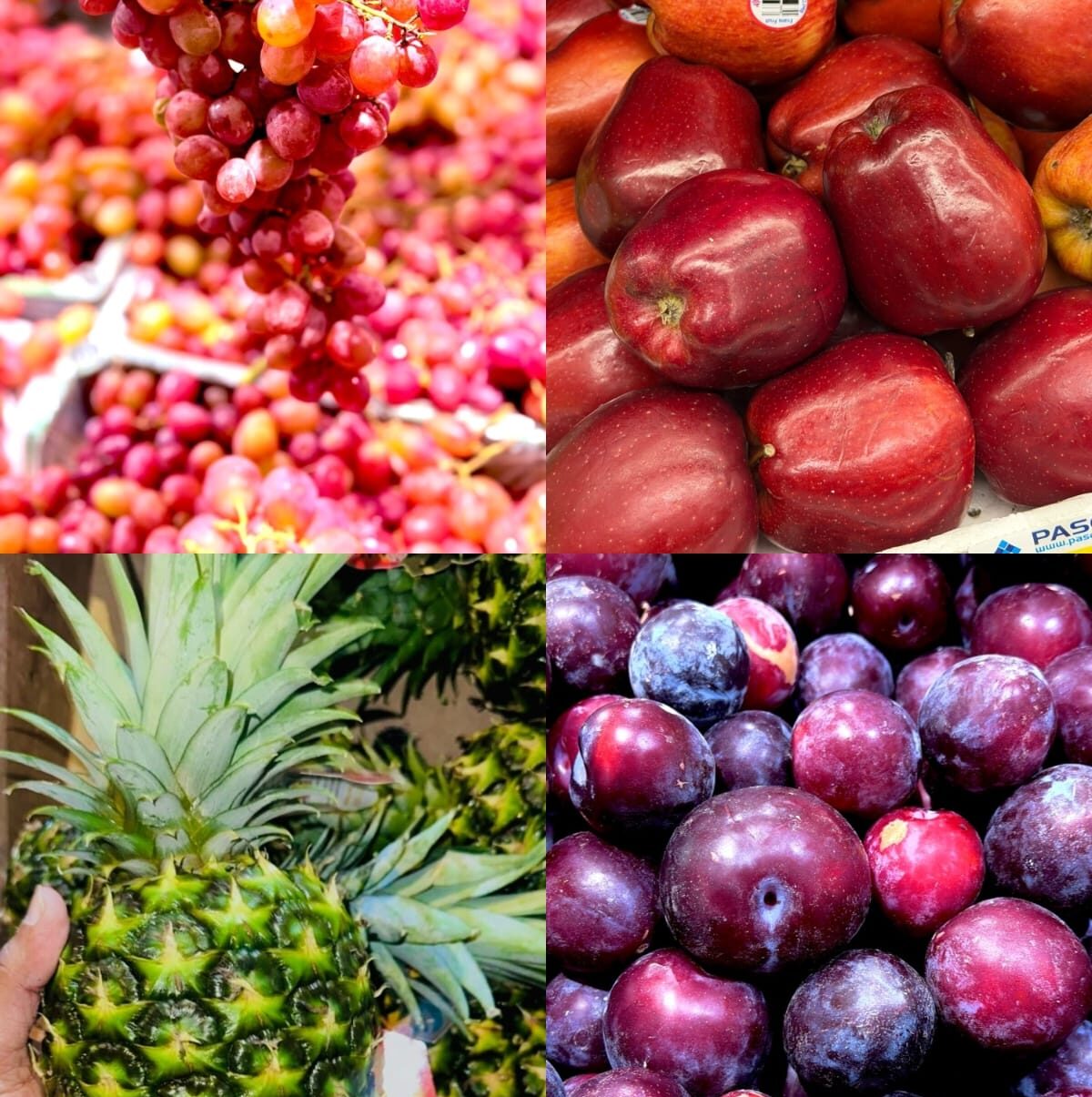
Fiber rich fruit can be a simple, enjoyable way to support healthy digestion. Fruits provide dietary fiber along with water, vitamins, minerals, and plant compounds. Together, these nutrients can help keep bowel movements regular and provide nourishment for beneficial gut bacteria.
You don’t need to rely on one “superfruit” to improve your diet. A mix of everyday choices—such as raspberries, pears, apples, oranges, kiwi, and prunes—can help you increase your fiber intake gradually. The best approach is one you can maintain: choose fruits you enjoy, eat them in forms that suit you, and drink enough fluids as you add more fiber.
This guide explains how fiber rich fruit supports digestion, which fruits are good sources, how to work them into meals, and what to keep in mind if a sudden increase in fiber causes discomfort.Fiber-Rich Fruit.
What Is Dietary Fiber?
Dietary fiber is a type of carbohydrate found in plant foods that the body does not fully digest. Instead of being broken down and absorbed like many other carbohydrates, fiber travels through the digestive system, where it can have several useful effects.
Fruit contains a combination of fiber types. The amount and mix vary by fruit, and eating the whole fruit generally provides more fiber than drinking its juice.
Soluble fiber
Soluble fiber dissolves in water and can form a gel-like material in the digestive tract. It is found in fruits such as apples, pears, citrus fruits, and berries. Soluble fiber can help soften stool and may contribute to a feeling of fullness.
Some soluble fibers can also be fermented by gut microbes in the large intestine. This process produces substances that help support the gut environment.
Insoluble fiber
Insoluble fiber does not dissolve in water. It adds bulk to stool and can help food move through the digestive tract. Fruit skins and the edible seeds in some fruits contribute insoluble fiber.
Most fruits contain a mixture of soluble and insoluble fiber. You don’t need to track each type closely: eating a variety of whole fruits is a practical way to get a mix.
How Fiber-Rich Fruit Supports Digestive Health
Fiber rich fruit supports digestion in several connected ways. Its effects can vary from person to person, but including a range of fiber-containing foods is a useful part of an overall healthy eating pattern.
1. It helps support regular bowel movements
Fiber adds material to stool and can help it hold water. This can make bowel movements easier to pass and support regularity. Fruits such as pears, raspberries, apples, and prunes are popular choices for people looking to increase their fiber intake.
Fiber is not an instant remedy, and more is not always better. If you currently eat very little fiber, adding a large amount all at once may cause gas, bloating, or cramping. A gradual increase is often more comfortable.
2. It helps nourish beneficial gut bacteria
Some fruit fibers are fermented by microbes in the large intestine. These fibers are often called prebiotic fibers because they can serve as food for certain gut bacteria.
A varied diet that includes fruits, vegetables, legumes, whole grains, nuts, and seeds provides different types of fiber. This variety is one reason it can be helpful to eat more than one kind of fruit instead of depending on a single food.
3. It can help soften stool
Fiber works alongside fluid. Some fibers help retain water in stool, which may make it softer and easier to pass. Fruits also naturally contain water, so they can contribute to your overall fluid intake.
That said, fruit alone may not resolve ongoing constipation. Movement, medications, routine, fluid intake, and health conditions can all affect bowel habits. Persistent or severe symptoms deserve medical advice.
4. It can help you feel satisfied after eating
Fiber-rich foods tend to take longer to eat and digest than low-fiber options. Whole fruit also requires chewing and contains water, which can make it a satisfying snack or addition to a meal.
Pairing fruit with protein or healthy fats—such as yogurt, nuts, or nut butter—can make a snack more filling. For example, try apple slices with peanut butter or berries with plain yogurt.
5. It supports a balanced eating pattern
Fruit provides more than fiber. Depending on the variety, it can also supply vitamin C, potassium, folate, and other nutrients. Choosing whole fruit more often than juice can help you get fiber while enjoying the fruit’s natural texture and fullness.
Fiber-Rich Fruits to Add to Your Diet
Fiber amounts vary with fruit size, preparation, and serving. The examples below are approximate; check product labels or a reliable nutrition database if you need precise values for a specific variety or portion.
| Fruit | Approximate fiber per serving | Easy ways to enjoy it |
|---|---|---|
| Raspberries | About 8 grams per cup | Add to oats, yogurt, or smoothies |
| Pear | About 5–6 grams in a medium pear | Eat whole, with the skin if tolerated |
| Apple | About 4–5 grams in a medium apple | Pack as a snack or slice into oatmeal |
| Blackberries | About 7–8 grams per cup | Serve with yogurt or cereal |
| Avocado | About 5 grams per half avocado | Spread on toast or add to a salad |
| Orange | About 3 grams in a medium orange | Peel and eat whole |
| Kiwi | About 2 grams in one medium kiwi | Add to a fruit bowl or eat with breakfast |
| Prunes | About 3 grams in a small serving | Add a few to oatmeal or enjoy as a snack |
These figures are guides, not a required checklist. Portion size matters, and dried fruits are more concentrated than fresh fruit by volume. If you’re increasing fiber, start with a comfortable portion and build from there.
Berries
Raspberries and blackberries are among the more fiber-dense fruit choices. Their small seeds and skins contribute to their fiber content. They work well fresh or frozen, stirred into oats, or served with yogurt.
Pears
Pears are a convenient source of fiber and can be eaten as a portable snack. The skin contributes fiber, so washing and eating the pear unpeeled can provide more than peeling it. If the skin bothers you, peeled pear still contains some fiber.
Apples
Apples are easy to find year-round and pair well with both sweet and savory foods. Eating the skin adds fiber. Try sliced apple in oatmeal, a salad, or alongside cheese or nut butter.
Citrus fruits
Oranges and other citrus fruits provide fiber when eaten whole. The membranes around the segments contribute to the fruit’s structure and fiber. Juice usually contains much less fiber than the whole fruit, even when it includes some pulp.
Kiwi
Kiwi is a convenient way to add fruit to breakfast or a snack. Some people enjoy it peeled; others eat the skin after washing it. Choose the form that feels comfortable for you.
Prunes
Prunes are dried plums and provide fiber in a concentrated portion. They are also commonly used to support bowel regularity. Start with a small amount, since a large serving may cause gas or loose stools for some people.
Avocado
Although it is often treated as a savory food, avocado is a fruit and contains fiber. Add it to toast, salads, wraps, or grain bowls. Its creamy texture makes it easy to combine with other fiber-rich foods.
Whole Fruit, Juice, and Dried Fruit
The form of fruit you choose can affect how much fiber you get and how filling it feels.
Whole fruit generally offers the most intact fiber and requires chewing. For everyday eating, it is usually the easiest way to get fiber from fruit.
Fruit juice may contain vitamins and minerals, but much of the fiber is removed when the fruit is juiced. A glass of juice can also be easier to drink quickly than it is to eat the equivalent amount of whole fruit.
Dried fruit retains fiber, but water has been removed, so a small portion contains more concentrated fruit. Dried fruit can be useful for snacks or oatmeal, but portions can add up quickly. Look for options without added sugar if that fits your preferences.
Smoothies can retain the fiber from blended whole fruit if the fruit itself is included. Blending changes the texture and makes it easier to consume a larger amount quickly, so consider your portion and what else you add.
How to Add More Fiber-Rich Fruit Comfortably
A few small changes can make it easier to eat more fiber without overhauling your meals.
- Start with one extra serving. Add a piece of fruit to breakfast or choose fruit for an afternoon snack.
- Increase gradually. Give your digestive system time to adjust. Add a little more every few days rather than making a sudden, large change.
- Keep the skin when practical. The edible skin of fruits such as apples and pears contributes fiber. Wash fruit before eating.
- Choose whole fruit more often than juice. Whole fruit keeps more of its structure and fiber.
- Pair fruit with other foods. Add berries to oatmeal, apple to a salad, or pear to yogurt.
- Drink fluids regularly. Adequate fluid intake helps fiber do its job, especially as you increase your intake.
- Try fresh, frozen, and canned options. Frozen fruit can be just as convenient as fresh. If choosing canned fruit, look for options packed in water or juice and check the label for added sugar.
A Simple Day of Fiber-Rich Fruit
Here is one example of how fruit can fit into a day. Adjust the portions and choices to your appetite, budget, and needs.
- Breakfast: Oatmeal topped with raspberries and sliced pear.
- Snack: An apple with a small handful of nuts.
- Lunch: A salad with orange segments or avocado.
- Snack: Plain yogurt with kiwi or blackberries.
- Dinner: Include fruit as part of a side salad, salsa, or dessert if you enjoy it.
This is only an example. You don’t need to eat fruit at every meal to benefit from it. A consistent pattern that includes different plant foods is more important than following a rigid menu.
Can Eating Too Much Fiber-Rich Fruit Cause Problems?
Yes. Increasing fiber quickly can lead to gas, bloating, cramps, or changes in bowel movements. Some fruits also contain natural sugars that may trigger symptoms in people with certain digestive sensitivities.
If you feel uncomfortable, reduce your portions and increase fiber more slowly. It may help to spread fruit across the day instead of eating several servings at once. Keep track of which foods seem to cause symptoms, but avoid eliminating broad food groups without a clear reason or professional guidance.
People with conditions such as irritable bowel syndrome, inflammatory bowel disease, or a history of bowel narrowing may need individualized advice about fiber. The amount and type that works well can vary, especially during symptom flares or after medical procedures.
When to Seek Medical Advice
Talk with a healthcare professional if constipation or diarrhea is persistent, keeps returning, or interferes with daily life. Seek prompt care for concerning symptoms such as blood in the stool, severe abdominal pain, unexplained weight loss, or a sudden, lasting change in bowel habits.
Fiber rich fruit can support a healthy diet, but it is not a substitute for diagnosis or treatment when symptoms may have another cause.
Frequently Asked Questions
Which fruit is highest in fiber?
Raspberries and blackberries are among the higher-fiber fresh fruits per cup. The exact amount depends on the serving size and variety. Pears and apples are also convenient sources, particularly when eaten with their skins.
Is fruit fiber better than fiber from supplements?
Fruit provides fiber along with water and other nutrients. Supplements can be useful for some people, but they do not replace the broader range of nutrients found in whole foods. Ask a healthcare professional whether a supplement is appropriate for you, particularly if you take medication or have a digestive condition.
Does fruit juice contain fiber?
Most strained fruit juices contain little fiber compared with whole fruit. Eating the fruit whole is generally a better way to get its fiber. Smoothies made with the whole fruit can retain more fiber, though they may be less filling than chewing the fruit.
Should I eat fruit with the skin?
When the skin is edible and comfortable for you, eating it can provide extra fiber. Wash fruit well before eating. Peeling is also fine if the skin bothers you; the fruit still contributes nutrients and some fiber.
How much fruit should I eat for digestion?
There is no single amount that suits everyone. Your needs depend on your overall diet, health, and tolerance. Start with a manageable serving, increase gradually, and include other fiber sources such as vegetables, beans, lentils, nuts, seeds, and whole grains.
Can fiber-rich fruit help with constipation?
Fiber rich fruit may support regular bowel movements by adding bulk and helping stool retain water. Prunes, pears, apples, and berries are common choices. Persistent constipation, severe pain, or other concerning symptoms should be discussed with a healthcare professional.
The Takeaway
Fiber rich fruit can support digestive health by helping maintain regular bowel movements, contributing to a healthy gut environment, and making meals and snacks more satisfying. Berries, pears, apples, oranges, kiwi, prunes, and avocado are all practical options.
Choose whole fruit often, increase fiber gradually, and drink fluids regularly. A range of fruits alongside vegetables, legumes, whole grains, nuts, and seeds can help you build a varied, fiber-containing diet that is easier to sustain.
Related reading: Benefits of eating apples every day, Low calorie fruits list and Health benefits of eating fruit every day.
This article is for general information only and is not medical advice. If you have digestive symptoms or a health condition, talk to a doctor or registered dietitian. See our Disclaimer.