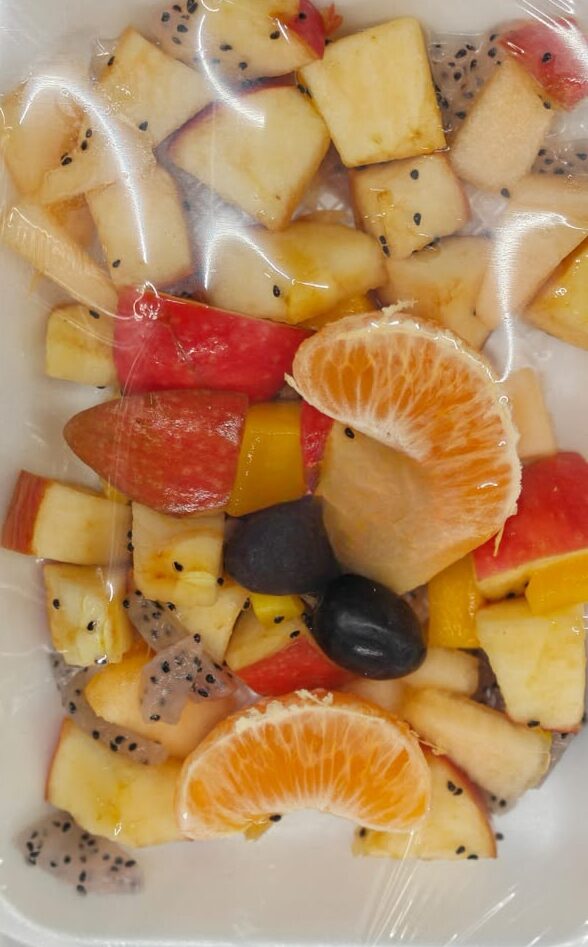
If you are looking for a low calorie fruits list, the good news is that most fresh whole fruits are naturally light. They contain a lot of water and fiber, which helps you feel full, and they bring natural vitamins and flavor to your day. Fruits such as watermelon, strawberries, cantaloupe and peaches have only about 30 to 40 calories per 100 grams, while apples, pineapple and raspberries sit around 50.
In this guide you will find 15 low calorie fruits, an easy comparison table and simple tips for enjoying fruit as part of a balanced diet. The numbers below are approximate and based on common nutrition data for raw fruit, so they can vary a little by variety and ripeness.
Quick Table: Low Calorie Fruits per 100 Grams
| Fruit | Approx. Calories per 100 g |
|---|---|
| Watermelon | 30 |
| Strawberries | 32 |
| Cantaloupe | 34 |
| Honeydew melon | 36 |
| Peaches | 39 |
| Grapefruit | 42 |
| Papaya | 43 |
| Blackberries | 43 |
| Plums | 46 |
| Oranges | 47 |
| Apricots | 48 |
| Pineapple | 50 |
| Apples | 52 |
| Raspberries | 52 |
| Kiwi | 61 |
For comparison, 100 grams is a little less than one small apple or a generous handful of berries.
The 15 Best Low Calorie Fruits
1. Watermelon (about 30 calories per 100 g)
Watermelon is mostly water, which makes it light, refreshing and filling in hot weather. Our guide on how to tell if a watermelon is ripe helps you choose a sweet one.
2. Strawberries (about 32 calories per 100 g)
Strawberries are sweet, juicy and a good source of vitamin C and fiber for their small calorie count.
3. Cantaloupe (about 34 calories per 100 g)
Cantaloupe has a soft, sweet taste and plenty of water, and it is rich in vitamin A and vitamin C.
4. Honeydew melon (about 36 calories per 100 g)
Honeydew is mild and hydrating, and it works well in fruit salads and cold drinks.
5. Peaches (about 39 calories per 100 g)
Ripe peaches are naturally sweet and fragrant, a good choice when you want something dessert-like.
6. Grapefruit (about 42 calories per 100 g)
Grapefruit is tangy and rich in vitamin C. Note that it can interact with some medicines, so check with your pharmacist if you take regular medication.
7. Papaya (about 43 calories per 100 g)
Papaya is soft, sweet and easy to digest for many people, with a good amount of vitamin C.
8. Blackberries (about 43 calories per 100 g)
Blackberries are one of the better fiber sources in the fruit world and add deep color to any bowl.
9. Plums (about 46 calories per 100 g)
Plums are juicy and slightly tart, and they are easy to carry as a snack.
10. Oranges (about 47 calories per 100 g)
Oranges are famous for vitamin C and are more filling when eaten whole than when juiced.
11. Apricots (about 48 calories per 100 g)
Apricots are small, sweet and rich in vitamin A. Fresh apricots are far lower in calories than dried ones.
12. Pineapple (about 50 calories per 100 g)
Pineapple brings a bright, tropical sweetness that goes well with salads and yogurt.
13. Apples (about 52 calories per 100 g)
Apples are crunchy, portable and high in fiber, especially when you eat the skin. Read more in our guide to the benefits of eating apples every day.
14. Raspberries (about 52 calories per 100 g)
Raspberries are very high in fiber for a fruit and are delicate and flavorful.
15. Kiwi (about 61 calories per 100 g)
Kiwi is a bit higher in calories than the others on this list, but it is packed with vitamin C and has a pleasant sweet-tart taste.
Why Low Calorie Fruits Can Be a Good Choice
- High water content. Fruits like watermelon and melon help you stay hydrated.
- Fiber. Fiber slows digestion and helps you feel satisfied for longer.
- Vitamins and minerals. Many fruits provide vitamin C, potassium and other nutrients.
- Natural sweetness. Fruit can satisfy a sweet craving in a simple, whole-food way.
Tips for Enjoying Fruit as Part of a Balanced Diet
- Choose whole fruit over juice. Juice has less fiber and is easier to overdrink.
- Be careful with dried fruit. Dried fruit is much more concentrated in calories and sugar, so the portion is smaller.
- Watch added sugar. Syrups, sweetened yogurt and sugary toppings can add far more calories than the fruit itself.
- Mix your fruits. A variety of colors gives you a wider range of nutrients. A bowl of our healthy fruit salad is an easy way to do this.
- Combine fruit with protein or healthy fats. A few nuts or a spoon of plain yogurt makes a snack more filling.
Do Fruits Make You Gain Weight?
Eating whole fruit in normal portions is generally not linked to weight gain. Weight depends on your overall eating pattern, activity level and many other factors, not on one food. No single fruit can make you lose weight on its own, and fruit should not replace a balanced diet that includes other food groups.
Frequently Asked Questions
Which fruit has the lowest calories?
Watermelon is among the lowest, with roughly 30 calories per 100 grams, followed closely by strawberries and cantaloupe.
Are low calorie fruits good for weight loss?
They can be a helpful part of a balanced eating plan because they are filling and nutritious for their calories, but no fruit causes weight loss by itself.
How many fruits should I eat a day?
Many health guidelines suggest about 2 servings of fruit a day, but the right amount depends on your age, health and activity. Ask a doctor or dietitian for advice that fits you.
Is fruit sugar bad for you?
The natural sugar in whole fruit comes with fiber, water and nutrients, which is different from added sugar in sweets and soft drinks. People with diabetes should talk to their doctor about fruit portions.
Are frozen fruits low in calories too?
Plain frozen fruit has about the same calories as fresh fruit. Check the label to make sure no sugar has been added.
Final Thoughts
This low calorie fruits list shows that you have many tasty options, from juicy watermelon to sweet strawberries and crunchy apples. Pick the fruits you enjoy, eat them in their whole form and make them part of a varied, balanced diet. For more ideas, read our guide to the health benefits of eating fruit every day.
This article is for general information only and is not medical or dietary advice. Calorie values are approximate. If you have a health condition or concerns about your eating habits, please talk to a doctor or registered dietitian. See our Disclaimer.