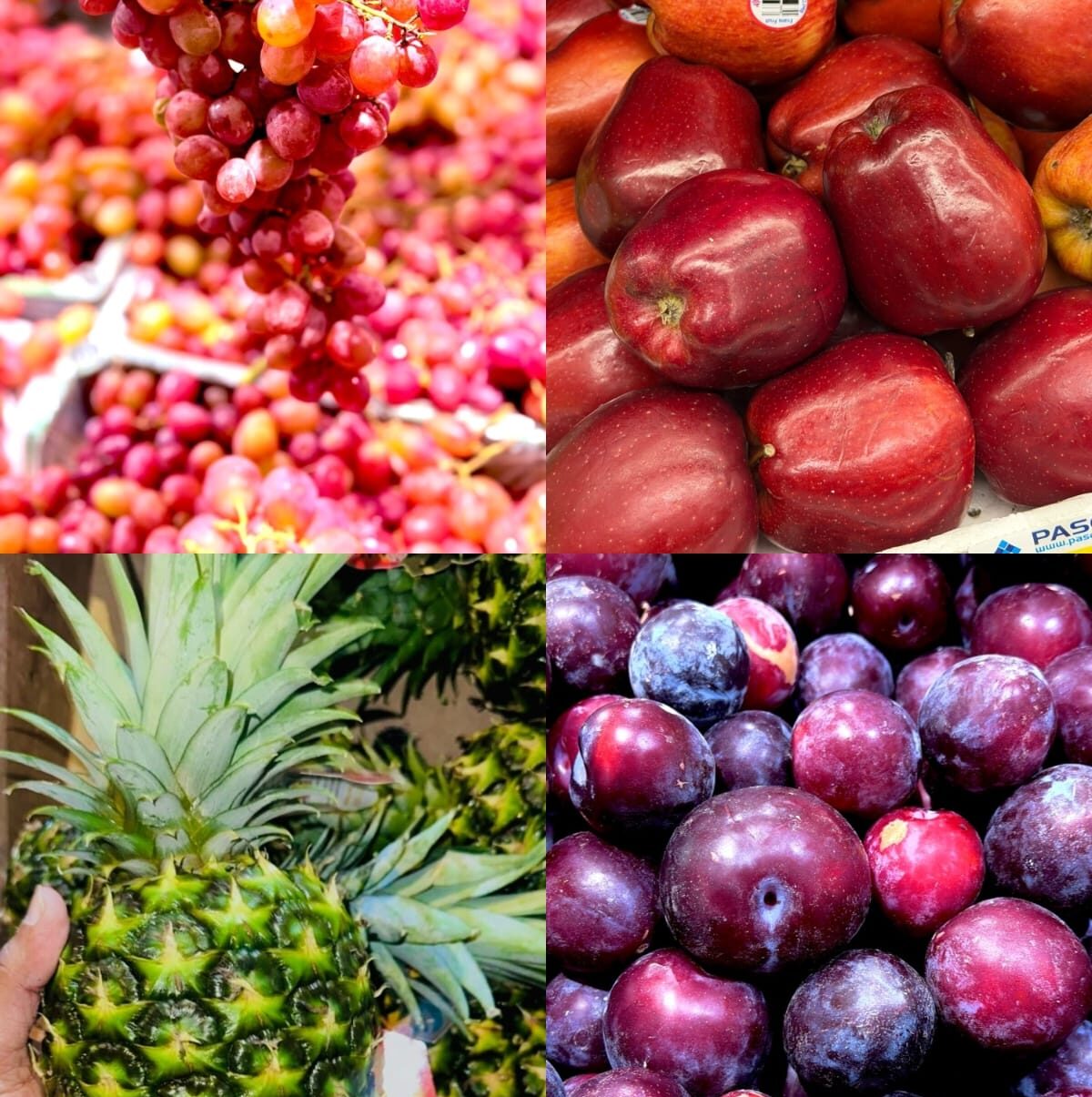
Looking for the health benefits of pomegranate? This ruby-red fruit has been prized for thousands of years, and today it is one of the most talked-about “superfruits.” Its juicy, slightly tart seeds, called arils, are packed with plant compounds that researchers continue to study. If you are new to fruit-based eating, start with our guide to the health benefits of eating fruit every day, then come back here to see what makes pomegranate special.
What Is Pomegranate?
Pomegranate is a round fruit with a tough red skin and hundreds of edible seeds inside. It grows widely across South Asia, the Middle East and the Mediterranean. You can eat the seeds fresh, drink the juice, or add them to salads, yogurt and desserts.
Pomegranate Nutrition at a Glance
According to USDA FoodData Central, raw pomegranate arils provide roughly 83 calories and 4 g of fiber per 100 g, along with vitamin C, vitamin K, folate and potassium. The real standout is a group of antioxidants, including punicalagins and anthocyanins, which give the fruit its deep color and much of its health reputation.
1. Rich in Antioxidants
Antioxidants help protect your cells from damage caused by free radicals. Pomegranate juice and extracts are often reported to have higher antioxidant activity than many other common fruit juices, which is a big reason this fruit is so popular in health circles.
2. May Support Heart Health
Research on blood pressure is encouraging. a 2024 systematic review and meta-analysis of randomized trials found that pomegranate consumption was linked with lower systolic and diastolic blood pressure in adults, although the authors note that more high-quality studies are still needed. Think of pomegranate as a supportive food, not a treatment.
3. Helps Fight Inflammation
Long-term inflammation is linked to many chronic conditions. The compounds in pomegranate have shown anti-inflammatory effects in lab and human studies, which may help explain its wide range of potential benefits.
4. Supports Digestion
The seeds contain dietary fiber, which helps keep your digestive system moving and feeds healthy gut bacteria. Eating the whole seeds gives you more fiber than drinking the juice alone. For more ideas, read how fiber-rich fruits support digestive health.
5. Good for Skin
Vitamin C supports collagen production, and antioxidants help protect skin from everyday stress such as sun and pollution. Pomegranate will not replace sunscreen, but it can be a tasty part of a skin-friendly diet.
6. May Support Exercise Recovery
Some studies in active people suggest pomegranate juice may reduce muscle soreness and support recovery after hard workouts. Results vary, but it is a refreshing, natural option after exercise.
7. Supports Immunity
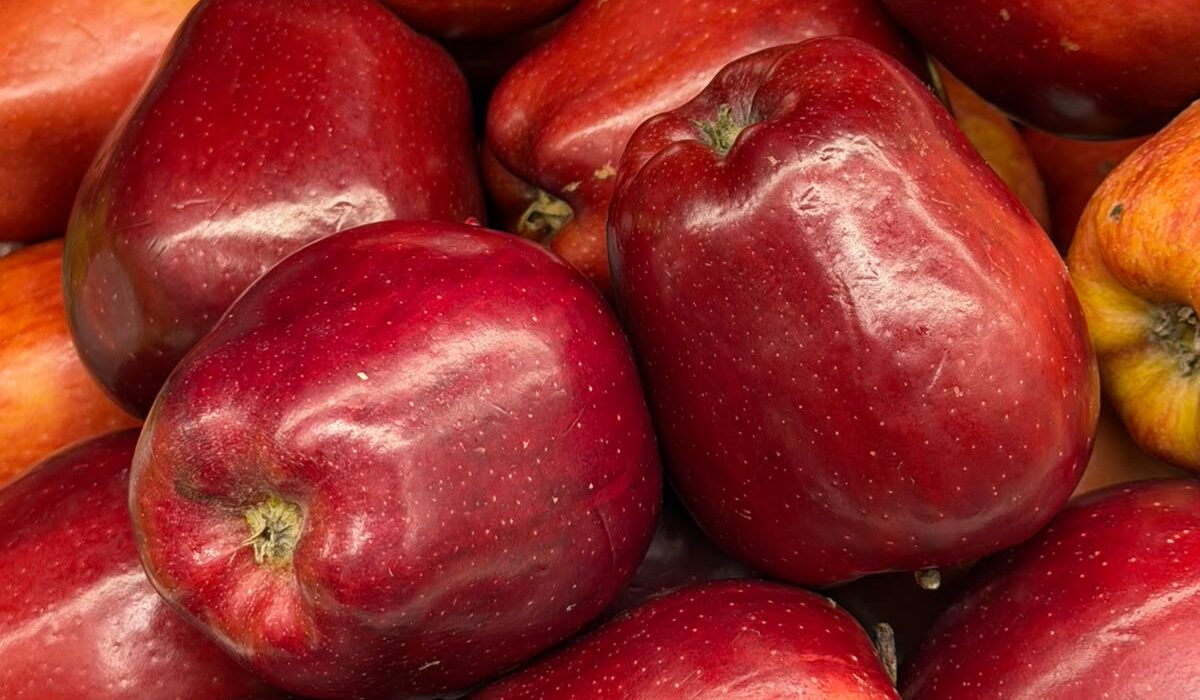
Vitamin C and other plant compounds help your immune system work properly. Adding colorful fruits like pomegranate and apples to your daily diet is a simple way to support your body during cold and flu season.
8. Can Fit Into a Balanced Weight Plan
Whole pomegranate seeds are fairly low in calories for how filling they are, thanks to fiber and water. Juice is different: it can contain a lot of natural sugar, so the whole fruit is the better choice if you are watching your weight. Compare it with other options in our low calorie fruits list.
How to Eat Pomegranate
Cutting it open can feel messy, but this method makes it easy:
- Cut off the top and score the skin along the ridges.
- Gently pull the fruit apart into sections.
- Hold a section over a bowl and tap the back with a spoon so the seeds fall out.
Easy ways to enjoy the seeds:
- Sprinkle over yogurt, oatmeal or a healthy fruit salad
- Toss into green salads for a sweet-tart crunch
- Blend into smoothies
- Mix into raita or chaat for extra freshness
- Eat them fresh as a simple snack
How Much Should You Eat?
A handful of seeds (about half a cup) a day is a reasonable portion for most healthy adults. If you drink the juice, choose 100% pure juice with no added sugar and keep portions modest.
Who Should Be Careful?
Pomegranate is safe for most people, but a few groups should take care:
- If you take blood pressure medicines, blood thinners or statins, speak to your doctor first, as pomegranate may interact with some medications.
- If you have diabetes, watch your portions, especially with juice.
- If you are allergic to pomegranate, avoid it. Allergies are rare but possible.
Frequently Asked Questions
Is it better to eat pomegranate seeds or drink the juice?
The seeds are generally better because they keep the fiber and have less concentrated sugar.
Can I eat the white inner seed?
Yes. The whole aril, including the small crunchy seed inside, is edible and contains fiber.
When is pomegranate in season?
It is typically at its best in autumn and early winter in many regions.
Can pomegranate cure diseases?
No. It is a healthy food that may support your overall wellbeing, but it cannot cure or replace medical treatment.
Final Thoughts
Pomegranate is a delicious, nutrient-rich fruit that can support heart health, digestion, skin and immunity as part of a balanced diet. Choose fresh seeds over sugary juice, enjoy it regularly, and pair it with other fruits and vegetables for the best results. Want more simple fruit guides? Browse the latest on our Fruvly blog or learn more about us.
This article is for general information only and is not medical advice. Please read our disclaimer and consult a qualified healthcare professional before making major changes to your diet, especially if you have a medical condition or take medication.